

The old man handed me a napkin and said, “Don’t lose this. It’s the only one left.”
I had not come to St. Louis looking for a recipe. I had come for a funeral. My great aunt Margaret, whom I had met exactly twice, once when I was seven and once when I was twenty two and needed a place to sleep driving cross country, had died at the age of eighty seven. I was the only family member willing to make the trip. This tells you something about Margaret. It also tells you something about our family.
The funeral was small. Six people in a church that could seat two hundred. Margaret had outlived her husband, her sister, most of her friends, and apparently any goodwill from her remaining relatives. I sat in the back, listened to a pastor who clearly had never met her recite vague platitudes about a woman he kept calling “Martha,” and wondered why I had driven eight hours for this.
Afterward, a man approached me in the parking lot. He was ancient, easily in his nineties, with hands that shook slightly and eyes that missed nothing. He wore a brown cardigan with a coffee stain on the left pocket and carried a small paper bag.
“You’re Margaret’s niece,” he said. Not a question.
“Great niece,” I corrected.
He waved this away like it was irrelevant, which it probably was. “She wanted you to have this.” He handed me the bag. Inside was a single napkin, yellowed and soft with age, covered in handwriting so cramped and slanted it looked like a foreign language. And a name: Arthur.
“Who’s Arthur?” I asked.
The old man smiled. It was the kind of smile that contains several decades of secrets and no intention of revealing any of them quickly. “I’m Arthur,” he said. “Let’s get a cup of coffee. You’re going to need it.”
The story that came with the napkin
We went to a diner called The Fountain on Locust, a place that looked like it had been frozen in 1947 and no one had bothered to defrost it. Red vinyl booths. A soda fountain that still worked. Waitresses in paper hats. Arthur ordered coffee, black, and a slice of gooey butter cake without being asked. The waitress knew him. She also knew to bring two forks.
“Margaret and I,” Arthur began, stirring his coffee slowly, “we were supposed to get married. Nineteen fifty eight. June. She had the dress. I had the ring. Everything was set.”
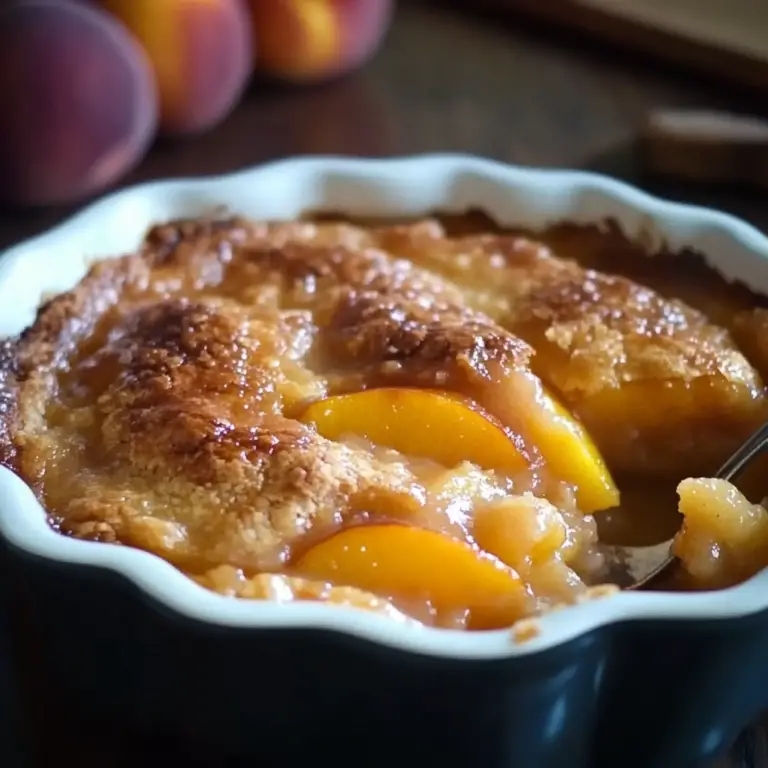
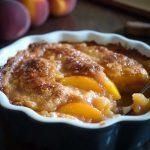
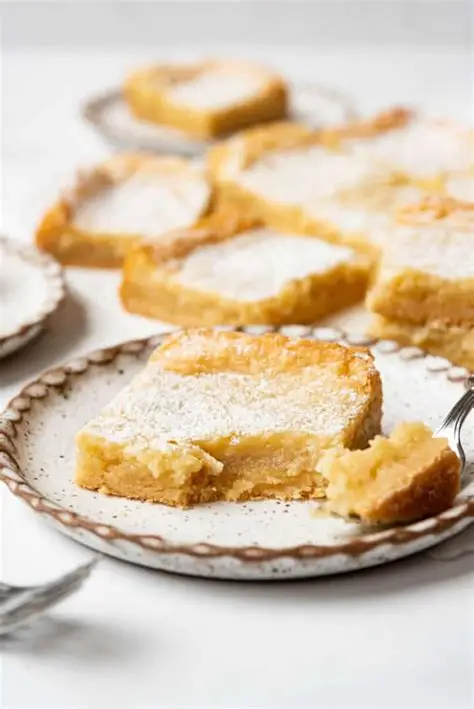
He paused. I waited. The cake arrived. It sat between us on a white plate, golden and cracked and dusted with so much powdered sugar it looked like a small blizzard had hit it.
“Then my brother came home from the war.” Arthur’s voice did not change, but his stirring stopped. “John. He was a mess. What he saw over there, what he did, what was done to him. He came back and he was a ghost wearing my brother’s face. Margaret and I, we decided to wait. Give him time. Help him get back on his feet.”
The fork in my hand felt suddenly heavy. “What happened?”
Arthur took a bite of the cake. He closed his eyes for a moment, the way people do when a taste carries them somewhere else entirely. “John fell in love with her. And she fell in love with him. Or maybe she already had. Maybe she was just waiting for him to come home. I’ll never know. I never asked.”
I stared at him. “She left you for your brother?”
“No.” Arthur shook his head slowly. “I left. I packed a bag and moved to Chicago. Told them both I had a job offer. There was no job offer. I just couldn’t watch it happen up close.”
The diner felt very quiet. The cake sat between us, untouched by me, half eaten by him.
“I didn’t see Margaret again for forty years. John died in ninety eight. Heart attack. At the funeral, she walked up to me and handed me this.” He tapped the napkin. “She said, ‘I kept it. All this time. I kept it.'”
What the napkin contained
I unfolded it carefully. The handwriting was Margaret’s. I recognized it now from birthday cards she had sent me as a child, cards I had never answered. The ink was faded but legible. It was a recipe. For gooey butter cake.
But not just any recipe. The margins were filled with notes in two different hands. Margaret’s neat cursive and someone else’s, messier, bolder. Arthur’s, I assumed. They had written this together, passing the napkin back and forth, adding notes, crossing things out, arguing in ink about butter quantities and oven temperatures.
One note in the margin, in Arthur’s hand, read: More vanilla. She likes it sweeter.
Another, in Margaret’s hand, below it: Less sugar. He’s watching his health. (He never did.)
“They gave me six months,” Arthur said quietly. “Cancer. Found it late. Nothing to be done.” He took another bite of cake, chewed slowly, swallowed. “I came back to St. Louis three weeks ago. Walked into her nursing home and said, ‘Margaret, I’m dying. Let’s not waste any more time.'”
I did not know what to say. So I took a bite of the cake.
It was unlike anything I had ever tasted. The top cracked under my fork. The center was impossibly soft, impossibly sweet, a custard that never quite set. It tasted like butter and vanilla and something else, something I could not name. Patience, maybe. Or forgiveness. Or forty years of silence finally broken.
The last instruction
“She died two days after I got here,” Arthur said. “We had two weeks. Fourteen days. She made me this cake three times. The last time, she couldn’t get out of bed, so she shouted instructions from the bedroom while I burned the first two batches in her kitchen.” He laughed, a dry sound like leaves skittering across pavement. “The third one was almost right. She said it was perfect. She was lying. But that was Margaret.”
I looked at the napkin again. At the bottom, in Margaret’s handwriting, was a final note. It was dated three days before she died. It said: Arthur, make this for someone who doesn’t know they need it yet. Love, M.
“Why are you giving this to me?” I asked.
Arthur pushed the plate toward me. “Because I’m dying, kid. And I don’t have anyone else. And because you showed up. Six people at her funeral, and you were one of them. That matters.”
I sat in that diner for another hour. Arthur told me about the wedding that never happened, about the brother he forgave but never stopped resenting, about a woman who kept a recipe on a napkin for forty years because it was the only thing she had left of the man she let go.
When we finally stood to leave, Arthur pressed the napkin into my hand. “You don’t have to make the cake,” he said. “But keep the napkin. Some things should outlast us.”
He walked out of the diner without looking back. I watched him go, a thin old man in a stained cardigan, carrying nothing but the memory of a woman who had loved him and a recipe that had survived everything.
What I did with the napkin
I made the cake. Of course I made the cake. I burned the first batch and underbaked the second, just like Arthur had. The third one came out right. Golden on top, gooey in the center, dusted with so much powdered sugar it looked like forgiveness.
I ate it warm, standing in my kitchen, a thousand miles from St. Louis. And I understood, finally, what Margaret had known all along. This cake was never about the ingredients. It was about the hands that wrote them down. It was about the years between the writing and the baking. It was about the fact that some things cannot be measured in cups and teaspoons.
Arthur died two months later. I found out from a small notice in the St. Louis paper, the kind of obituary that runs when no one is left to write a longer one. I cut it out and slipped it inside the napkin, next to Margaret’s recipe, next to their forty year conversation in the margins.
I still have it. I make the cake once a year, on the anniversary of a funeral I almost didn’t attend. And every time, I add one small note in the margin, in my own handwriting.
Still here. Still remembering.
Some recipes are instructions. This one is an inheritance.